
M. Bitar, R. Mansour:
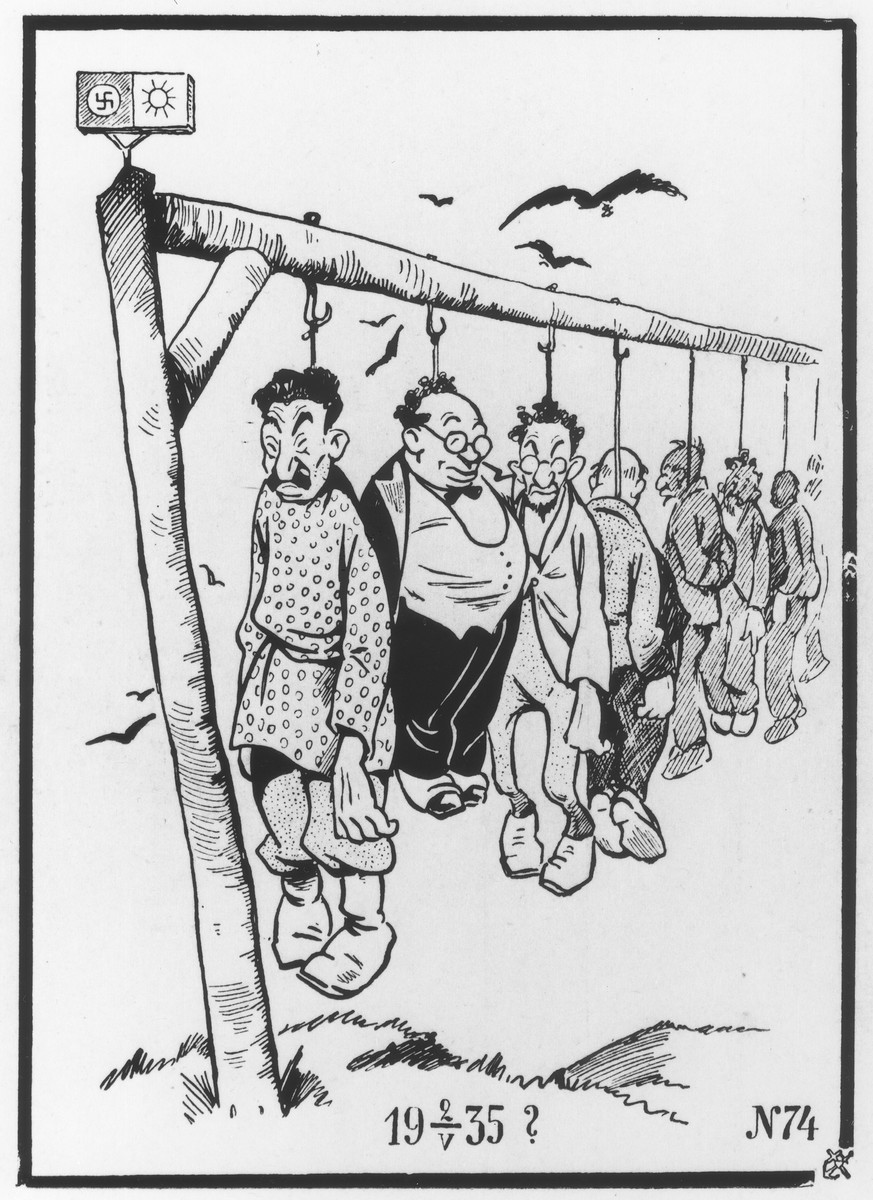 History is replete with genocides such as the genocide or massacre of 1860 AD, It can also be said that the objective and mechanism of the 1860 massacre or genocide are similar in some aspects to the extermination of Banu Qurayza in the fifth year of the Hijra, and similar in its broad outlines to the major Armenian genocide of 1915 and before 1915, and the extermination of the Syriacs and Assyrians at the same time, and then the extermination of the inhabitants of Constantinople at the hands of Muhammad the Conqueror, Some similarity can be seen with the emptying of Iraq of polytheists after the fall of Saddam Hussein, where their number decreased from some millions to about 20,000. It is also possible to see many similarities with the attempt to exterminate the Yazidis at the hands of ISIS, with a warm welcome from some, who provided ISIS with the necessary incubation and protection, applauded the victorious ISIS, and recently gloated over the defeated and broken ISIS.
The background of all those genocides was rooted in the instinct to take revenge on the other, whoever he may be, because the different one is guilty and evil no matter what he does, Moreover, the environment in which those massacres were committed was an environment that “rejected” all the different one, All of that was done within the framework of doctrinal axioms, including monotheism, loyalty and disavowal, and then the concept of the best nation, which indirectly means that the others are the most despicable of nations, as Adolf Hitler promoted this hypothesis in the twentieth century, and as some religious men promote it in their “war” speeches, or those that declare war and prepare for it by inciting another group of people.
The declaration of war was manifested in the demands made of others in the Pact of Umar and in the supplications uttered in war speeches: “O God, scatter their unity, grant us victory over them, and seize them with the might of the All-Powerful,” and so on, Those who implement the well-known provisions of the Pact of Umar—and those unfamiliar with its clauses can access them in seconds with the click of a button—must, for example, prohibit polytheists from wearing the clothing of believers or from riding horses, Other conditions amount to nothing less than preludes to genocide, The pact attributed to Caliph Umar surpasses in its abhorrence any other agreement or imposition in human history, Is there any greater humiliation than the subjugation of the Tuareg and the payment of the jizya while they are utterly subdued? Then there is the imposition of a traffic law on the infidels, requiring them to “walk” to the left of the believers, i.e., on the side of the road, Then there is the imposition of what is called the “need bag,” which is analogous in its effects to Stockholm syndrome, meaning that an empty bag must always be carried to hold the needs of the believers at any time and in any situation (a servant always ready), Night and day), the issue of the bag of need requires a detailed explanation that this article does not allow because it deals with another matter.
The affairs of the peoples of the conquered colonies remained in this manner until the Egyptian era, i.e. the era of Ibrahim Pasha, who abolished the differences between the believer and the infidel, which the polytheists considered fair to them, and which encouraged them to feel elated on the one hand, and on the other hand, feelings of envy and hostility were inflamed on the other side, which had a fixed and clear intellectual background in the creed…Kill the polytheists wherever you find them, etc.
All of this was influenced by politics and global events such as the Crimean War, which led to the Ottoman Sultan’s recognition of the “Hitt-i Humayun” which means complete equality among all subjects, which led to the explosion of the situation in Lebanon and the perpetration of massacres, which were met with satisfaction by some in Damascus, Aleppo and other regions. This was accompanied by the usual accusations such as heresy and conspiracy with the West and so on. There were even posters or banners in Aleppo that called for the slaughter of the polytheists, and indeed, one-fifth of these polytheists were slaughtered and killed during the violent practices in the context of the 1860 massacre.
In short, it can be said that the roots of the problem from 1860, similar to the roots of other problems such as the problem of Banu Qurayza and the problem of the Armenians and others, go back to the habituation of some to the conditions imposed by the Pact of Umar and the like, and then to their belief that God has one religion, and Arabic is the language of God and the language of Adam. Therefore, the answer to the question they usually ask, “Are the believer equal to the infidel?” became almost normal or obvious, that is, the believer is not equal to the infidel, The believers are the masters and the overwhelming majority, and what Ibrahim Pasha and even the Ottoman Sultan did is not permissible, Therefore, it was necessary to take revenge on the slaves, who were relatively freed and whose conditions had become relatively good. Therefore, the massacre was necessary.
The groups that carried out the massacre were those who felt they had been relatively harmed after the slaves’ conditions improved, Among them were merchants, soldiers, some common people incited by the Aghas, then Kurds, Druze, Hauranis, and the new Ottoman governor, Ahmed Izzat Pasha, Those who stood against the massacre were the leaders of the Al-Midan neighborhood of Damascus, the Freemason Prince Abdul Qadir Al-Jazairi, and the former Mufti of Damascus, Sheikh Abdul Razzaq Al-Bitar, who likened the massacre to Judgment Day, saying, quoting from the book, “And we see people drunk, but they are not drunk.”
Around 6,000 people were killed from the Dhimmis in the events of the 1860 massacre, and millions were killed in the Armenian massacre, The rest of them fled so that there was not a single Armenian left in Turkey, nor a single Pontic (Ottomans of Greek origin) left in it,And from the Banu Qurayza, only those whose pubic hair had not yet grown remained, There is no need to mention the rest of the massacres, as mentioning them does not advance or delay anything.
The period before 1860 was different from the period after 1860, The period after 1860 was characterized by the massive migration of non-Muslims to various countries around the world, especially to South America, Those who remained continued to emigrate, so that in Iraq, for example, only a few hundred thousand remained instead of several million, These people fear new massacres like those perpetrated by ISIS against the Yazidis.
See less